
Access Denied
IMPORTANT! If you’re a store owner, please make sure you have Customer accounts enabled in your Store Admin, as you have customer based locks set up with EasyLockdown app. Enable Customer Accounts
Lifestyle

Clear Liquid Protein for Hitting Protein Goals After Bariatric Surgery

Dr. Samantha Stavola-Giaconia DCN, RDN, LD, FAND
Lifestyle
Protein is one of the most important nutrients for long-term success after bariatric surgery, as recommended by the American Society for Metabolic and Bariatric Surgery. While weight loss surgery changes the size of the stomach and helps reduce calorie...

Why Electrolytes Are Important After Bariatric Surgery: Signs and Symptoms of Electrolyte Deficiencies
Dr. Samantha Stavola-Giaconia DCN, RDN, LD, FAND
Lifestyle
Bariatric surgery is a life-changing procedure that can dramatically improve health, mobility, and quality of life. Procedures such as gastric bypass, sleeve gastrectomy, and duodenal switch help patients lose weight by restricting food intake, altering...

Life After the Honeymoon Phase Following Bariatric Surgery
Dr. Samantha Stavola-Giaconia DCN, RDN, LD, FAND
Lifestyle
Bariatric surgery is often viewed as the finish line in the battle against obesity. In reality, it is only the beginning of a lifelong journey toward health. The months and years following the rapid weight loss phase present new challenges, adjustments, and...

The Importance of Gut Health: Understanding the Gut Microbiome and the Role of Probiotics and Prebiotics
Dr. Samantha Stavola-Giaconia DCN, RDN, LD, FAND
Lifestyle
In recent years, gut health has become one of the most discussed topics in nutrition and wellness. Scientists continue to discover that the health of our digestive system influences far more than digestion alone. The gut plays a significant role in...
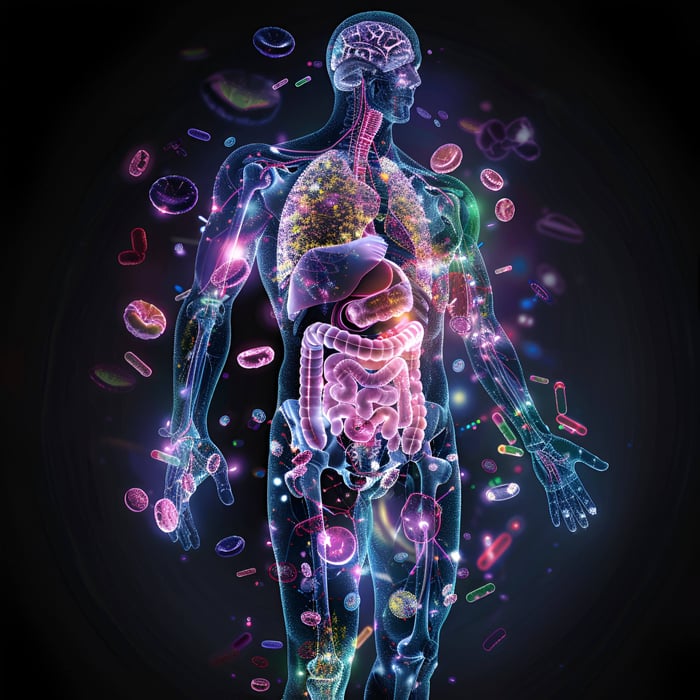
The Hidden Nutrient Gaps That Can Appear Years After Surgery
Dr. Samantha Stavola-Giaconia DCN, RDN, LD, FAND
Lifestyle
Major gastrointestinal surgeries, including bariatric procedures and cancer-related resections, are widely recognized for their ability to improve survival, metabolic health, and quality of life. However, the long-term nutritional consequences of these...

Protein Water: What Is It, Benefits, and the Best One
Dr. Samantha Stavola-Giaconia DCN, RDN, LD, FAND
Lifestyle
Protein water has quickly become one of the most searched-for functional beverages—and for good reason. If you’re looking for a lighter, more refreshing way to increase your protein intake without the heaviness of traditional shakes, protein...

Healthy Valentine’s Day Treats That Won’t Derail Your Weight Loss Goals
Dr. Samantha Stavola-Giaconia DCN, RDN, LD, FAND
Lifestyle
Valentine’s Day is often synonymous with indulgence—heart-shaped chocolates, decadent desserts, lavish dinners, and sugary cocktails. For individuals actively pursuing weight loss or metabolic health, this holiday can feel like a test of willpower. The...

How to Keep Healthy New Year Habits After Bariatric Surgery
Dr. Samantha Stavola-Giaconia DCN, RDN, LD, FAND
Lifestyle
New Year’s Resolutions for Bariatric Surgery Patients | Healthy Habits After Weight Loss Surgery | Navigating the New Year After Bariatric Surgery The New Year often brings a renewed sense of motivation—fresh goals, new routines, and the...

Staying Active Indoors: Winter Workouts for Bariatric Patients
Dr. Samantha Stavola-Giaconia DCN, RDN, LD, FAND
Lifestyle
When the temperature drops and daylight hours shrink, it’s easy to let your workout routine slide. For bariatric patients, staying active year-round is crucial—not only for maintaining weight loss, but also for supporting energy, mood, and...

Why Protein Matters When You’re Taking a GLP-1: Benefits, Best Foods, and a Supportive GLP-1 Meal Plan
Dr. Samantha Stavola-Giaconia DCN, RDN, LD, FAND
Lifestyle
GLP-1 medications such as semaglutide and tirzepatide have become powerful tools for appetite regulation, improved blood sugar control, and weight management. While these medications help reduce hunger and increase fullness, they can also...
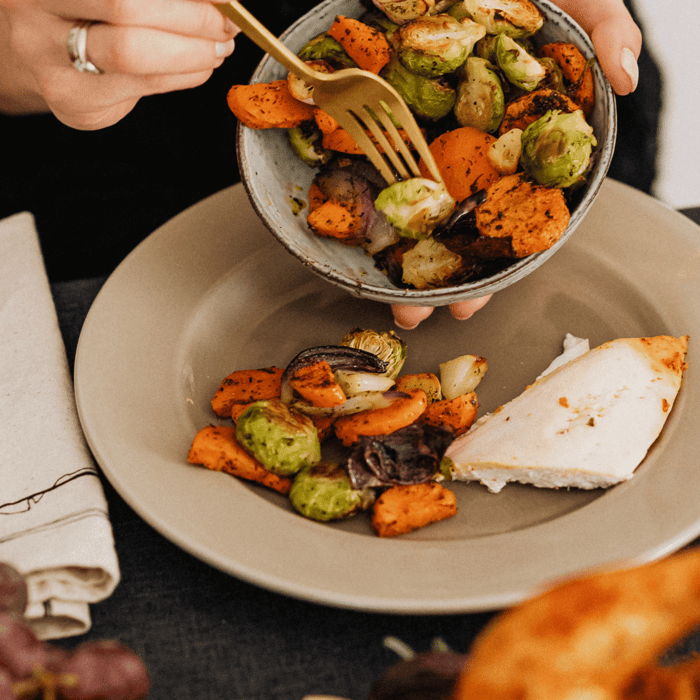
How to Handle Food Pushers at Holiday Gatherings: Scripts and Strategies for Politely Saying “No Thanks”
Dr. Samantha Stavola-Giaconia DCN, RDN, LD, FAND
Lifestyle
The holiday season brings joy, laughter, and togetherness—but for many, it also brings a particular kind of stress: food pushers. Whether it’s your grandmother insisting you have “just one more slice of pie,” or your coworker who...

Why Calcium Is Essential After Bariatric Surgery: What Every Patient Should Know
Dr. Samantha Stavola-Giaconia DCN, RDN, LD, FAND
Lifestyle
Bariatric surgery changes your life in many ways — from how you eat to how your body absorbs nutrients. While weight loss is often the most visible change, one of the most important — and sometimes overlooked — adjustments happens inside...

5 Small Changes That Make a Big Difference Post-Bariatric Surgery: The Power & Benefits of Bariatric Vitamins & Supplements in Your Self-Care Routine
Dr. Samantha Stavola-Giaconia DCN, RDN, LD, FAND
Lifestyle
Bariatric surgery is a powerful tool for weight loss, but it’s only the beginning of your health journey. After surgery, your body undergoes major changes in how it digests and absorbs nutrients. These changes mean you need to be more intentional than...
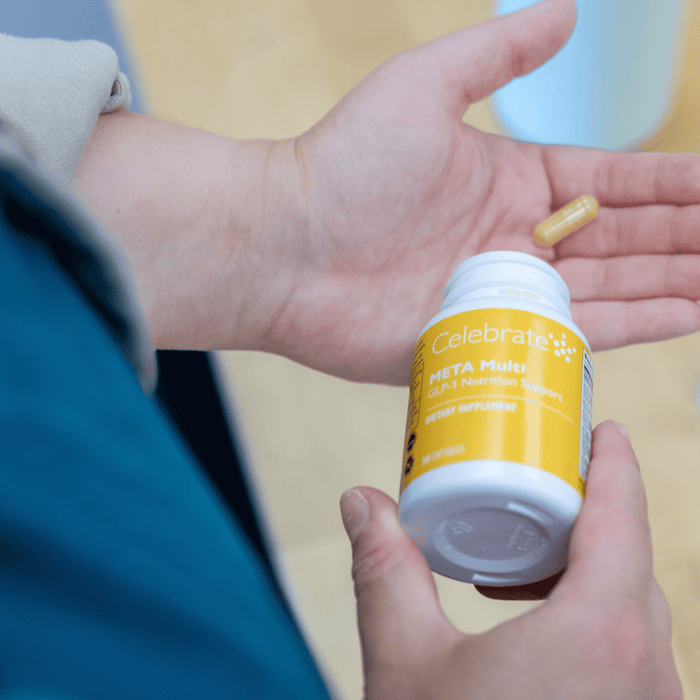
Nutrient Deficiency Risks Associated with GLP-1 Receptor Agonists: What Patients and Clinicians Should Know
Dr. Samantha Stavola-Giaconia DCN, RDN, LD, FAND
Lifestyle
Glucagon-like peptide-1 receptor agonists (GLP-1 RAs) have revolutionized the treatment of obesity and type 2 diabetes, offering impressive weight loss outcomes and glycemic control. Medications like semaglutide, liraglutide, and tirzepatide have seen a surge in...

How to Exercise in the Heat: Safe Summer Workouts for Bariatric Patients
Dr. Samantha Stavola-Giaconia DCN, RDN, LD, FAND
Lifestyle
Exercising in the summer can be challenging, especially for bariatric patients who need to balance physical activity with hydration and comfort. While staying active is essential for maintaining weight loss and overall health, it’s crucial to adapt...

Light & Fresh Summer Foods for Bariatric Patients
Dr. Samantha Stavola-Giaconia DCN, RDN, LD, FAND
Lifestyle
Summer is the perfect season to enjoy fresh, light, and hydrating foods that align with a post-bariatric surgery lifestyle. Warmer weather calls for nutrient-dense meals that are easy to digest, promote hydration, and provide essential vitamins and...

Spring Cleaning for the Mind: How to Refresh Your Mindset After Bariatric Surgery
Dr. Samantha Stavola-Giaconia DCN, RDN, LD, FAND
Lifestyle
Bariatric surgery is a life-changing procedure that can lead to significant weight loss and improved health. However, the journey doesn’t end once the surgery is completed. A crucial part of long-term success is mental well-being and mindset. Just as we...
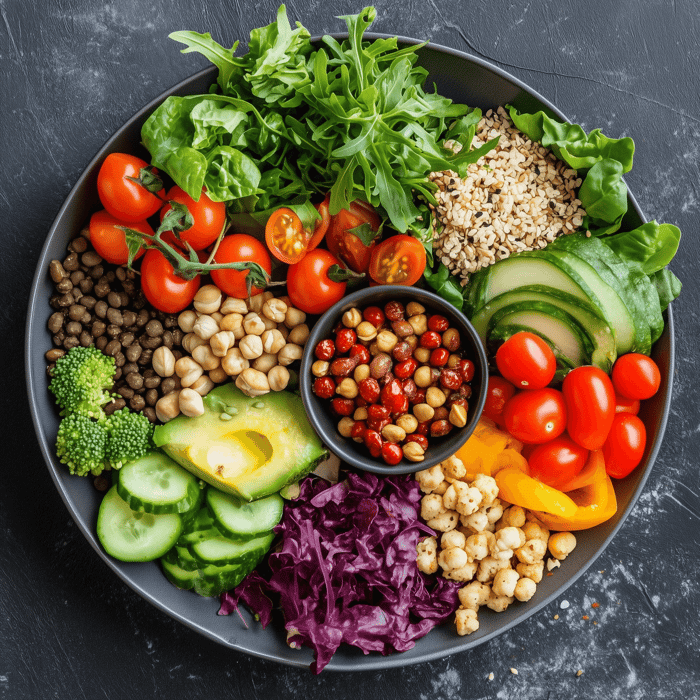
Spring Cleaning Your Diet: Eating Clean to Lose Weight by Eliminating Hidden Sugars & Processed Foods
Dr. Samantha Stavola-Giaconia DCN, RDN, LD, FAND
Lifestyle
Spring is a season of renewal, a time when many people embrace the tradition of spring cleaning to declutter their homes. However, what if we applied this same principle to our diets? Just as we rid our homes of unnecessary clutter, we can cleanse our...

The Importance of Celebrating Non-Scale Victories After Bariatric Surgery
Dr. Samantha Stavola-Giaconia DCN, RDN, LD, FAND
Lifestyle
Bariatric surgery is a life-changing journey for individuals seeking to improve their health and quality of life. While weight loss is often the primary goal, focusing solely on the numbers on the scale can overshadow other meaningful achievements. These...
How Bariatric Surgery Improves Cardiovascular Health
Dr. Samantha Stavola-Giaconia DCN, RDN, LD, FAND
Lifestyle
Bariatric surgery, a weight loss option for individuals struggling with severe obesity, has proven benefits beyond significant weight loss. One of the most profound effects of bariatric surgery is its positive impact on cardiovascular health. With...
The Health Benefits of Magnesium Supplements: A Comprehensive Overview
Dr. Samantha Stavola-Giaconia DCN, RDN, LD, FAND
Lifestyle
Magnesium is a crucial mineral that supports hundreds of biochemical reactions in the body. Despite its importance, magnesium deficiency is surprisingly common, with estimates suggesting that up to 50% of people in Western countries consume less than the...

Low Calorie Holiday Food Ideas
Dr. Samantha Stavola-Giaconia DCN, RDN, LD, FAND
Lifestyle
The holiday season is a time for celebration, family gatherings, and, of course, delicious food. But with all the festive dining, it can be easy to overindulge. Fortunately, there are plenty of tasty low-calorie options that can help you enjoy the...
Vitamin B12 for Energy: Staying Energetic During the Winter Months
Dr. Samantha Stavola-Giaconia DCN, RDN, LD, FAND
Lifestyle
As winter rolls in, many of us may notice a shift in our energy levels. The shorter days, colder temperatures, and sometimes gloomy weather can leave us feeling more fatigued than usual. While factors like lack of sunlight and physical activity play a...
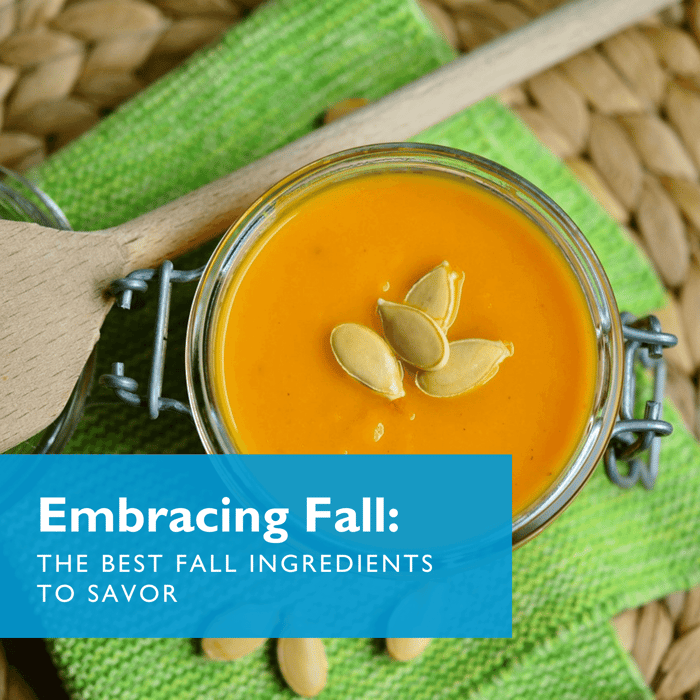
Embracing Fall: The Best Fall Ingredients to Savor
Dr. Samantha Stavola-Giaconia DCN, RDN, LD, FAND
Lifestyle
As the leaves turn to vibrant shades of red and gold, it’s time to welcome the flavors of the fall season into our kitchens. Autumn brings a bounty of seasonal ingredients that not only celebrate the harvest but also warm our hearts and homes....
Dietary Supplements for Metabolism Support - Celebrate
Dr. Samantha Stavola-Giaconia DCN, RDN, LD, FAND
Lifestyle
The relationship between adipose (fat) tissue and metabolic processes within the body contribute to the complexity of obesity. Adipose (fat) cells are active and can cause dysregulation in insulin, lipid and hormone signaling. Furthermore, these signals...

The Ultimate Guide to Staying Hydrated During Summer Heat - Celebrate
Dr. Samantha Stavola-Giaconia DCN, RDN, LD, FAND
Lifestyle
Uncover the secrets to staying cool and healthy this summer! Our guide to staying hydrated during summer months offers tips and tricks to beat the heat.
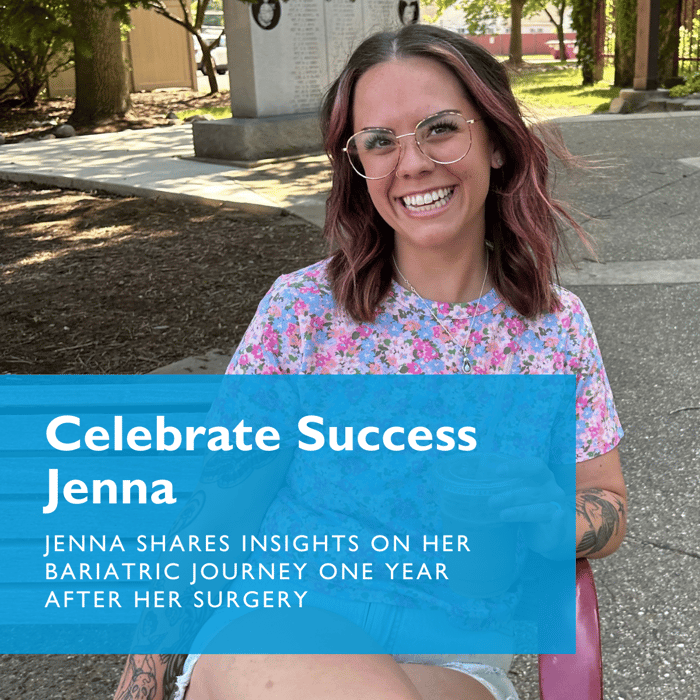
Celebrate Bariatric Surgery Success Story - Jenna - Celebrate
Lifestyle
Celebrate Vitamins ambassador Jenna Klyber tells her bariatric surgery story and how essential choosing the right supplements has been to her sustained success.

Healthy BBQ Ideas to Sizzle Your Summer - Celebrate
Dr. Samantha Stavola-Giaconia DCN, RDN, LD, FAND
Lifestyle
Get summer ready with our healthy BBQ ideas and recipes. Find protein-packed & delicious options that fit your post-bariatric diet.
The Gut Health Superstars: L-Glutamine and Immunoglobulins - Celebrate
Dr. Samantha Stavola-Giaconia DCN, RDN, LD, FAND
Lifestyle
Explore the science behind L-Glutamine and Immunoglobulins, two rising stars in the world of gut health. Discover how they can support digestion, immunity, and overall well-being.
Navigating Summer Travel After Bariatric Surgery: Tips for a Successful Journey
Dr. Samantha Stavola-Giaconia DCN, RDN, LD, FAND
Lifestyle
In this article, explore practical tips to help you stay on track with your weight loss goals summer travel after bariatric surgery.
Finding Bariatric Surgery Support Groups: The Power of Peer Support
Dr. Samantha Stavola-Giaconia DCN, RDN, LD, FAND
Lifestyle
Bariatric support groups offer a sense of hope, solidarity, and community that is essential for achieving long-term success after weight loss surgery. Read to learn more.

Bariatric Meal Planning 101: Creating Balanced and Delicious Post-Bariatric Meals
Dr. Samantha Stavola-Giaconia DCN, RDN, LD, FAND
Lifestyle
Explore the essentials of bariatric meal planning for individuals who have undergone weight loss surgery. You'll learn practical tips and insights to help create meals that are not only nutritionally sound but also satisfying to the taste buds.
Navigating Your Social Life After Bariatric Surgery
Dr. Samantha Stavola-Giaconia DCN, RDN, LD, FAND
Lifestyle
Life after bariatric surgery involves more than just physical changes; it entails navigating a new social landscape. Read our tips on how to navigate your social life after bariatric surgery with confidence.

The Role of Vitamin Supplements for Cold Winter Weather - Celebrate
Dr. Samantha Stavola-Giaconia DCN, RDN, LD, FAND
Lifestyle
Vitamin supplements can play a crucial role in maintaining optimal health and boosting immune system function during the winter season. In this blog post, we'll explore the importance of vitamin supplements in cold weather months.
Healthy Holiday Eating After Bariatric Surgery
Dr. Samantha Stavola-Giaconia DCN, RDN, LD, FAND
Lifestyle
Celebrating the holidays can be stressful after bariatric surgery. See our tips on how to navigate the holiday table with ease.
Why You Should NOT Be Taking Calcium and Iron Together
Dr. Samantha Stavola-Giaconia DCN, RDN, LD, FAND
Lifestyle
Calcium and iron both play vital roles in the human body. However, it is recommended that these vital minerals should not be taken together.

Tailgate Ideas for Bariatric Patients
Dr. Samantha Stavola-Giaconia DCN, RDN, LD, FAND
Lifestyle
Behind every great football game, there is an even better tailgate. See our healthy game day recipes that are guilt free and easy to enjoy!
Vitamin A Deficiency and Bariatric Surgery

Taylor Brodie, MS, RDN, LD
Lifestyle
Understanding the impact of Vitamin A deficiency on individuals who have undergone bariatric surgery is crucial for ensuring comprehensive postoperative care. Explore the intricacies of this nutritional concern and shed light on effective strategies for preventing deficiencies.

Celebrate Success - Aby
Lifestyle
We caught up with Brand Ambassador Aby 90 days post-op to see how life has changed and what Celebrate products she found most helpful during her time after bariatric surgery.
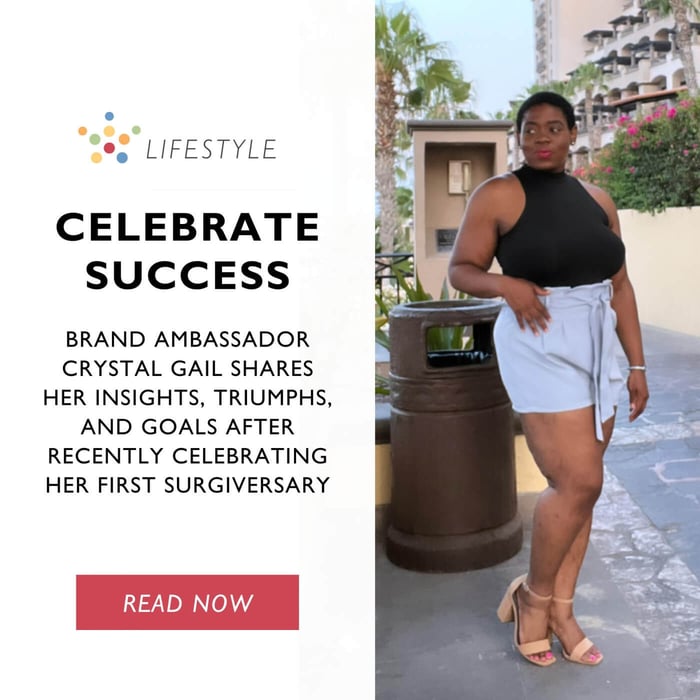
Celebrate Success - Crystal Gail
Lifestyle
Our brand ambassador Crystal Gail shares her personal thoughts on her first year after bariatric surgery and shares her triumphs and goals for the future.
All About Carbs After Bariatric Surgery
Dr. Samantha Stavola-Giaconia DCN, RDN, LD, FAND
Lifestyle
Adjusting to a new dietary lifestyle for weight loss success can seem hard. Learn how taking a mindful approach to consuming carbs after bariatric surgery can lead to positive outcomes.
Nutritional Considerations After Bariatric Surgery
Dr. Samantha Stavola-Giaconia DCN, RDN, LD, FAND
Lifestyle
Learn about how anatomical changes that occur to the gastrointestinal tract after WLS have significant impact on your nutritional needs before, during, and after bariatric surgery.
Eating Out After Bariatric Surgery
Dr. Samantha Stavola-Giaconia DCN, RDN, LD, FAND
Lifestyle
Discover the secrets to successful eating out after bariatric surgery. From navigating menus to making healthier choices, learn how to enjoy dining out while staying on track with your weight loss journey.

The Most Complete and Best Bariatric Vitamins
Dr. Samantha Stavola-Giaconia DCN, RDN, LD, FAND
Lifestyle
Research shows that after bariatric surgery, your body may not absorb all the required nutrients needed. A vitamin protocol that has been developed specifically for bariatric patients will help prevent deficiencies. See our complete list of the best bariatric vitamins and supplements that will ensure your long term success.
Carbonation and Caffeine After Bariatric Surgery
Dr. Samantha Stavola-Giaconia DCN, RDN, LD, FAND
Lifestyle
Discover the impact of carbonation and caffeine after bariatric surgery and how they can potentially hinder your weight loss progress. Inside, we explore the reasons why these substances should be consumed in moderation and provide helpful tips on finding alternative beverage choices for optimal post-surgery health.

High Protein Bariatric Snack Ideas
Dr. Samantha Stavola-Giaconia DCN, RDN, LD, FAND
Lifestyle
Discover a variety of high protein bariatric snack ideas that are both satisfying and nutritious. From brownies and shakes to Greek yogurt and veggies with hummus, this article explores tasty options to keep you feeling full and energized throughout the day, making your weight loss journey even more enjoyable.
Benefits of Weight Loss Before Bariatric Surgery
Taylor Brodie, MS, RDN, LD
Lifestyle
Learn how pre-operative weight loss can positively impact your bariatric journey towards a healthier, happier life.
How Dietary and Vitamin Needs are Influenced After Bariatric Surgery
Taylor Brodie, MS, RDN, LD
Lifestyle
After bariatric surgery, the body's ability to absorb nutrients is affected, which can result in deficiencies. Learn why and how weight loss surgery influences your body's dietary and vitamin needs.
Weight Regain After Bariatric Surgery
Dr. Samantha Stavola-Giaconia DCN, RDN, LD, FAND
Lifestyle
Weight regain is a long term complication after bariatric surgery. This common occurrence does not have to mean failed weight loss. We give you our tips and tricks on how to get back on track and stay there.
Zinc and Copper Deficiency After Bariatric Surgery
Taylor Brodie, MS, RDN, LD
Lifestyle
See why some patients may experience a zinc and copper deficiency after bariatric surgery and what bariatric supplements are available for prevention and treatment.
Invalid password
Enter